-

Arm & Hammer Dog Dental Kit – Enzymatic Dog Toothpaste 2.5 oz
$5.87 -
Sale!
Arm & Hammer Complete Care Enzymatic Dog Toothpaste, 6.2 oz – Dog Toothpaste for Puppies and Adult Dogs, Arm and Hammer Toothpaste for Dogs – Pet Toothpaste, Dog Dental Care and…
Original price was: $12.49.$6.99Current price is: $6.99. -
Arm & Hammer for Pets Dental Water Additive for Dogs, Tartar Control | Dog Dental Care Reduces Plaque & Tartar Buildup Without Brushing | Odorless and Flavorless, 16 Fl Ounces -…
-
Sale!
Arm & Hammer for Pets Fresh Breath Enzymatic Dog Dental Care Kit – Includes Dog Toothpaste, Dual Sided Toothbrush and Fingerbrush – Bad Breath Treatment, Chicken Flavor, 2.5 Ounce
Original price was: $12.99.$8.63Current price is: $8.63. -
Sale!
Ark Naturals Brushless Toothpaste, Dog Dental Chews for Medium Breeds, Freshens Breath, Helps Reduce Plaque & Tartar, 18oz, 1 Pack
Original price was: $23.99.$19.99Current price is: $19.99. -
Sale!
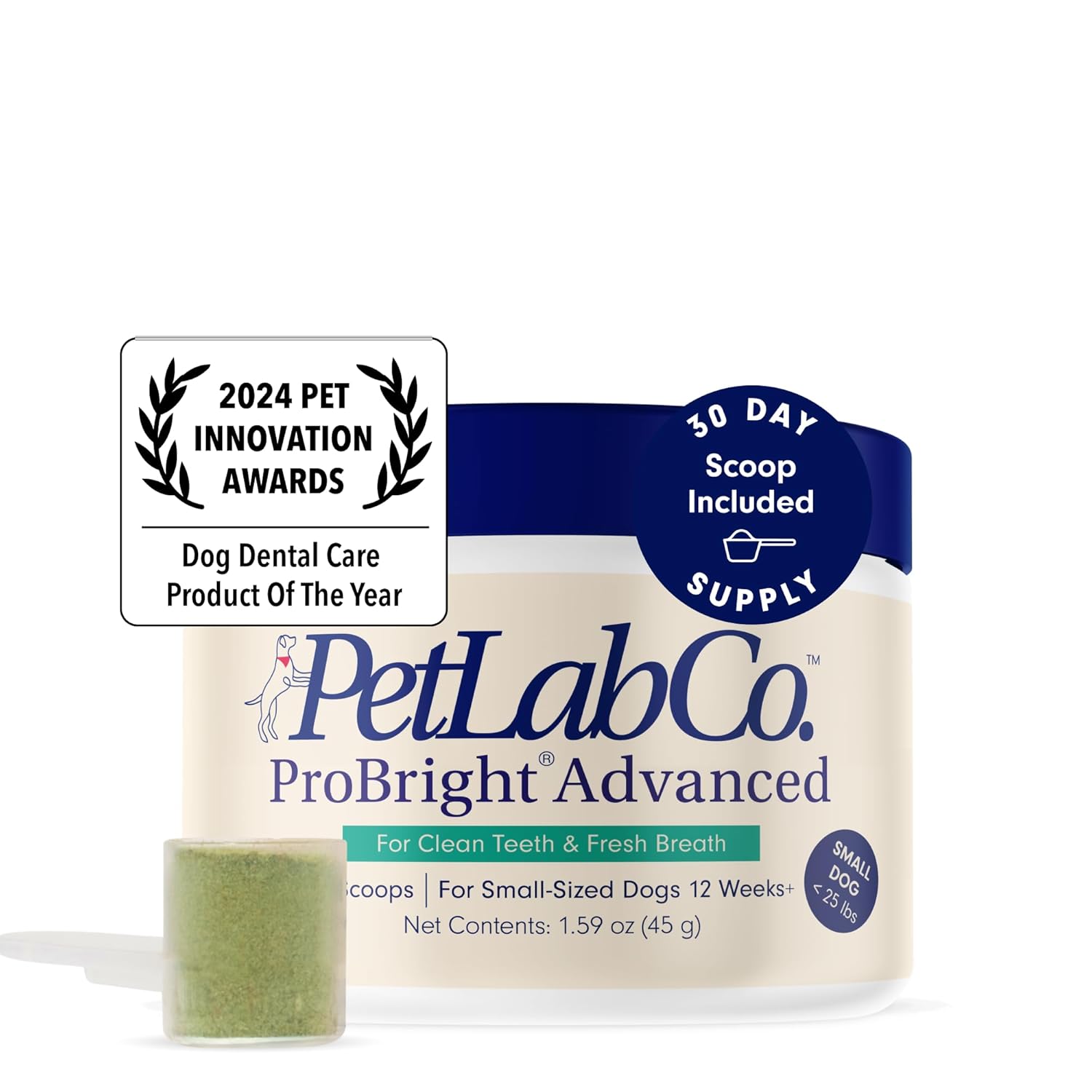
PetLab Co. ProBright Advanced Dental Powder – Dog Breath Freshener – Teeth Cleaning Made Easy – Targets Tartar & Bad Breath – Formulated for Small Dogs
Original price was: $36.95.$33.26Current price is: $33.26. -
Arm & Hammer for Pets Tartar Control Kit for Dogs | Contains Toothpaste, Toothbrush & Fingerbrush | Reduces Plaque & Tartar Buildup | Safe for Puppies, 3-Piece , Beef Flavor
$7.00 -
Jasper Dog Toothbrush, 360º Dog Tooth Brushing Kit, Cat Toothbrush, Dog Teeth Cleaning, Dog Finger Toothbrush, Use with Dog Toothpaste – Clear 2-Pack
$13.99 -
Sale!
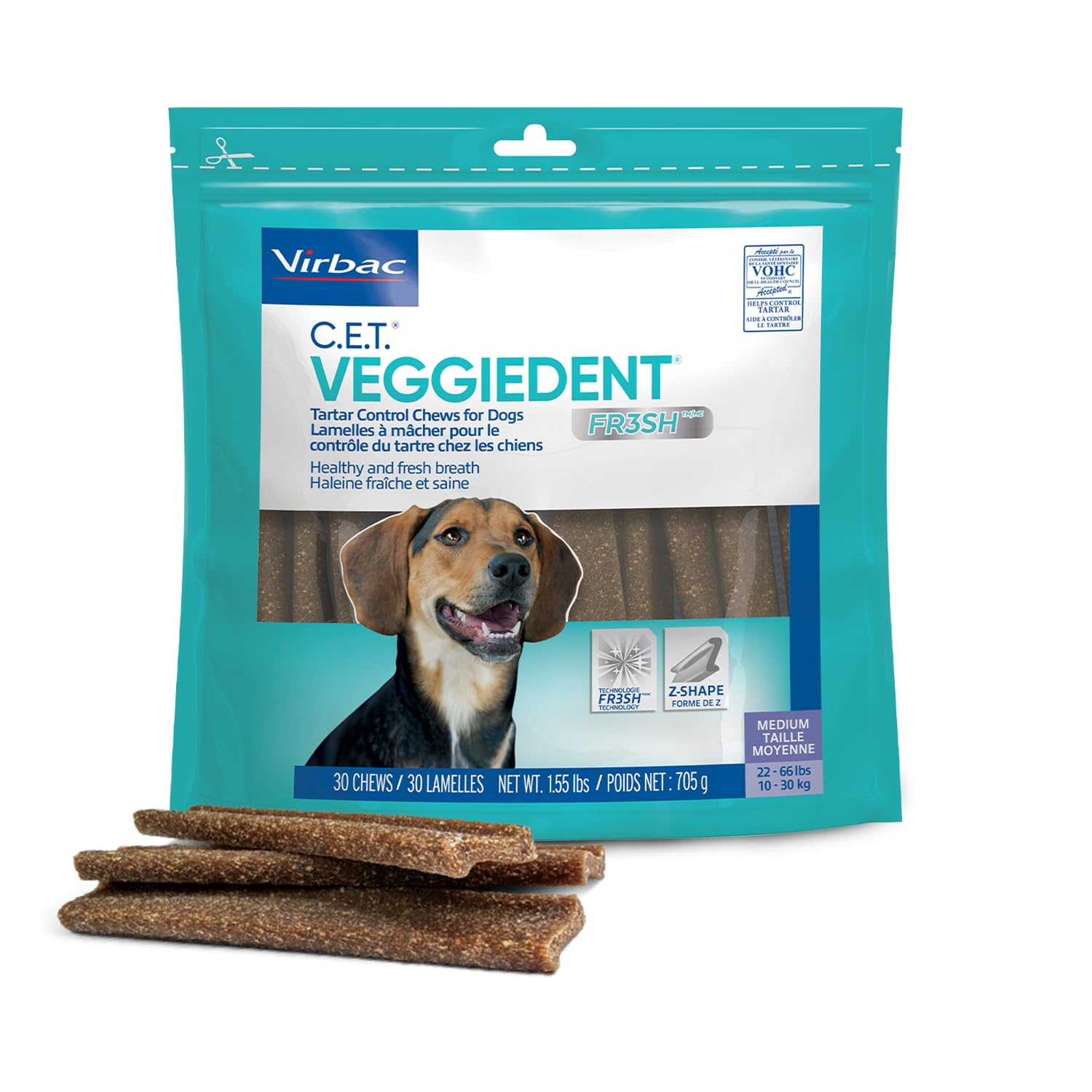
Virbac CET VEGGIEDENT FR3SH Tartar Control Chews for Dogs, Medium (Pack of 30)
Original price was: $35.99.$31.79Current price is: $31.79. -
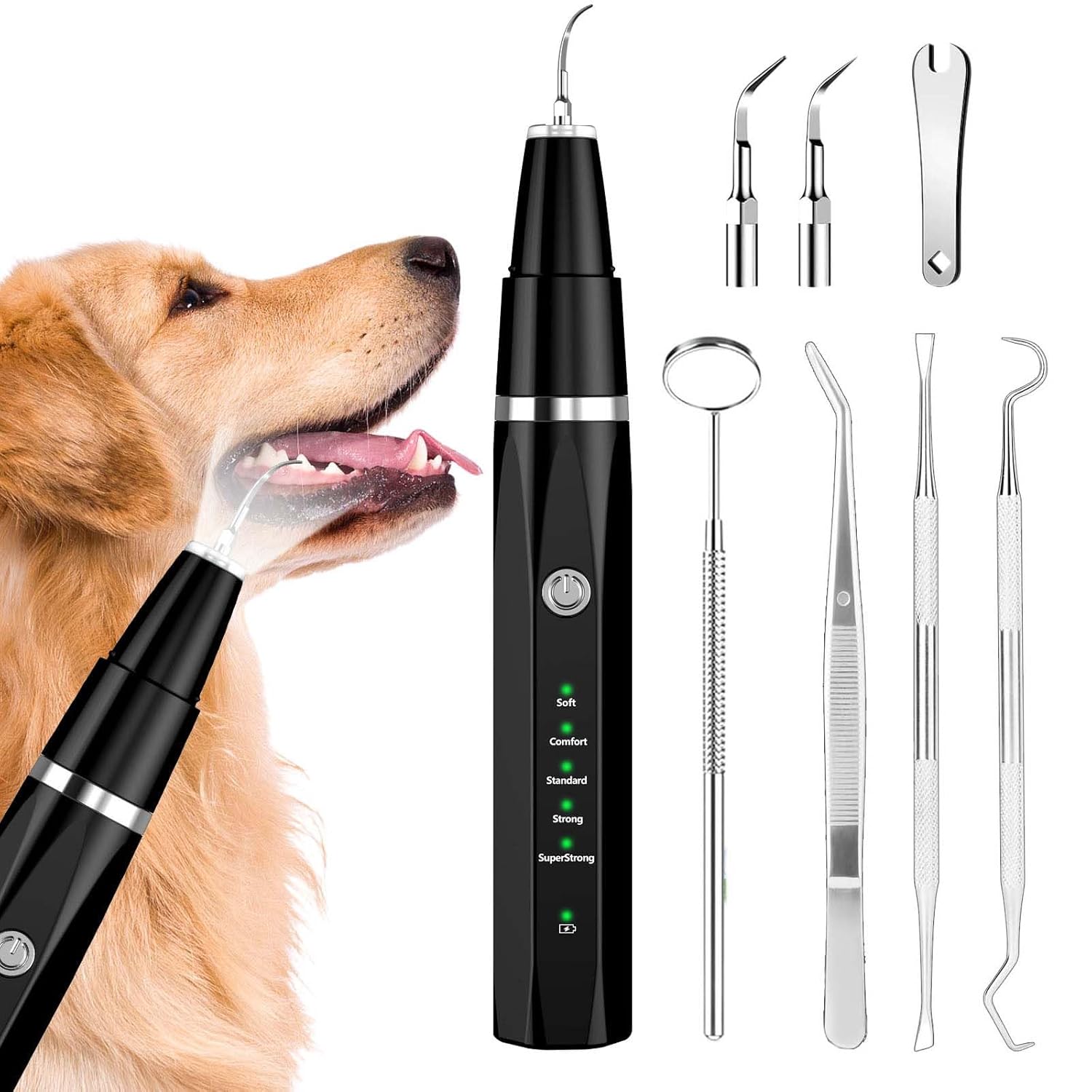
Plaque Remover for Teeth – Pet Ultrasonic Cleaner – Teeth Cleaning Kit for Tartar and Stains – Suitable for Dogs and Cats (Black)
$39.99 -
Sale!
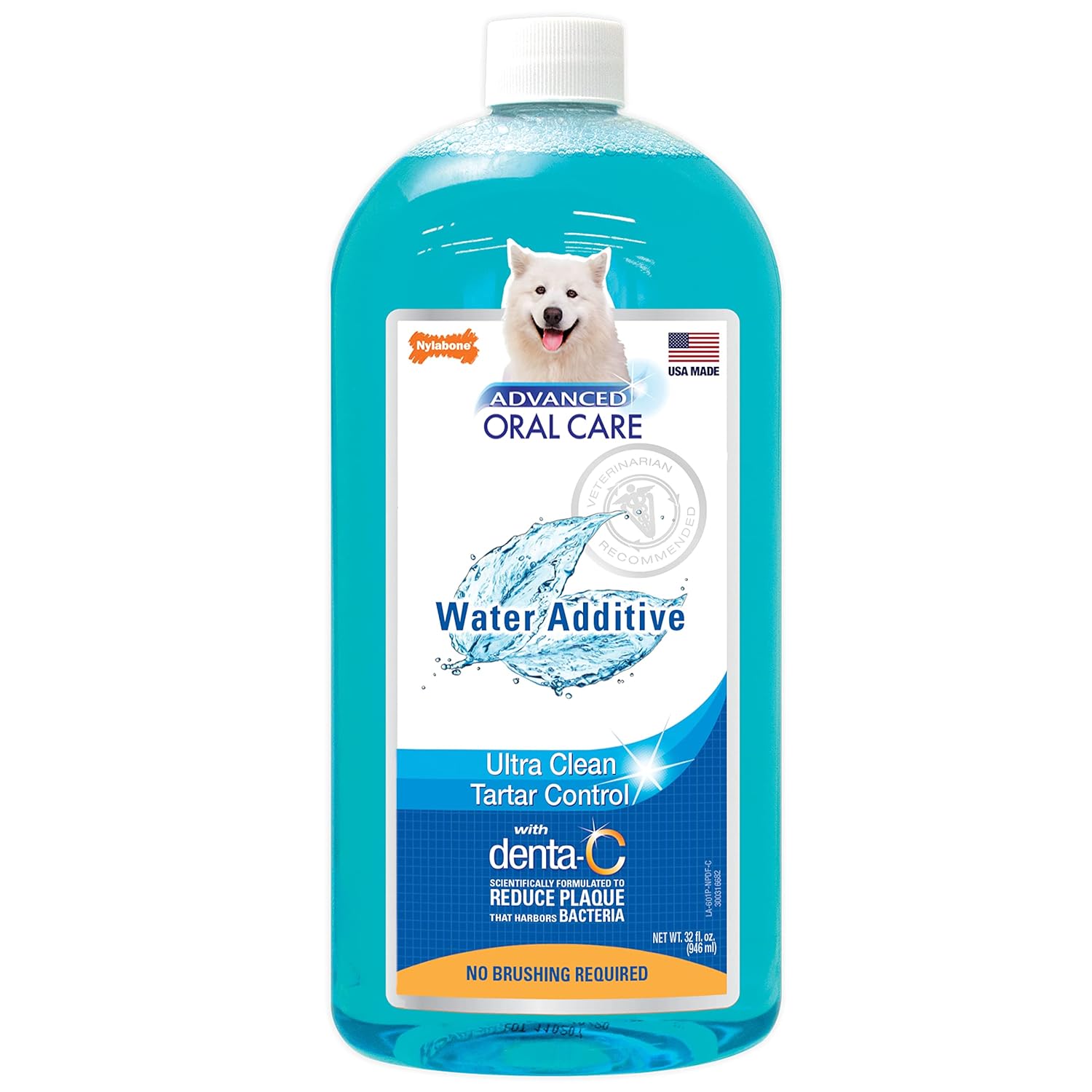
Nylabone Advanced Oral Care Pet Dental Water Additive, Liquid Tartar Remover & Breath Freshener for Dogs, Dog Teeth-Cleaning, Original Flavor, 32 oz.
Original price was: $18.19.$8.99Current price is: $8.99. -
Twist + Lick Dental Gel for Dogs, Cleans Teeth and Freshens Breath for 24 Hours, Chicken Flavor, 2 oz, 30 Day Supply
$17.97 -
Sale!
Arm & Hammer for Pets Dog Oral Care Spray – Fresh Breath & Teeth Cleaning Spray – Pet Breath Freshener – Reduce Plaque & Tartar Buildup – Healthy Mouth Hygiene Solution for Dogs…
Original price was: $9.19.$7.55Current price is: $7.55. -
PetLab Co. ProBright Dental Powder – Dog Breath Freshener – Teeth Cleaning Made Easy – Targets Tartar & Bad Breath – Formulated for Small Dogs
$35.23 -
Sale!
Arm & Hammer Complete Care Fresh Dental Water Additive for Dogs, 16 Fl Oz – Flavorless Dog Water Additive, Dog Mouth Wash, Dog Dental Rinse, PetWater Additive, Pets Dental Care…
Original price was: $5.49.$4.99Current price is: $4.99. -
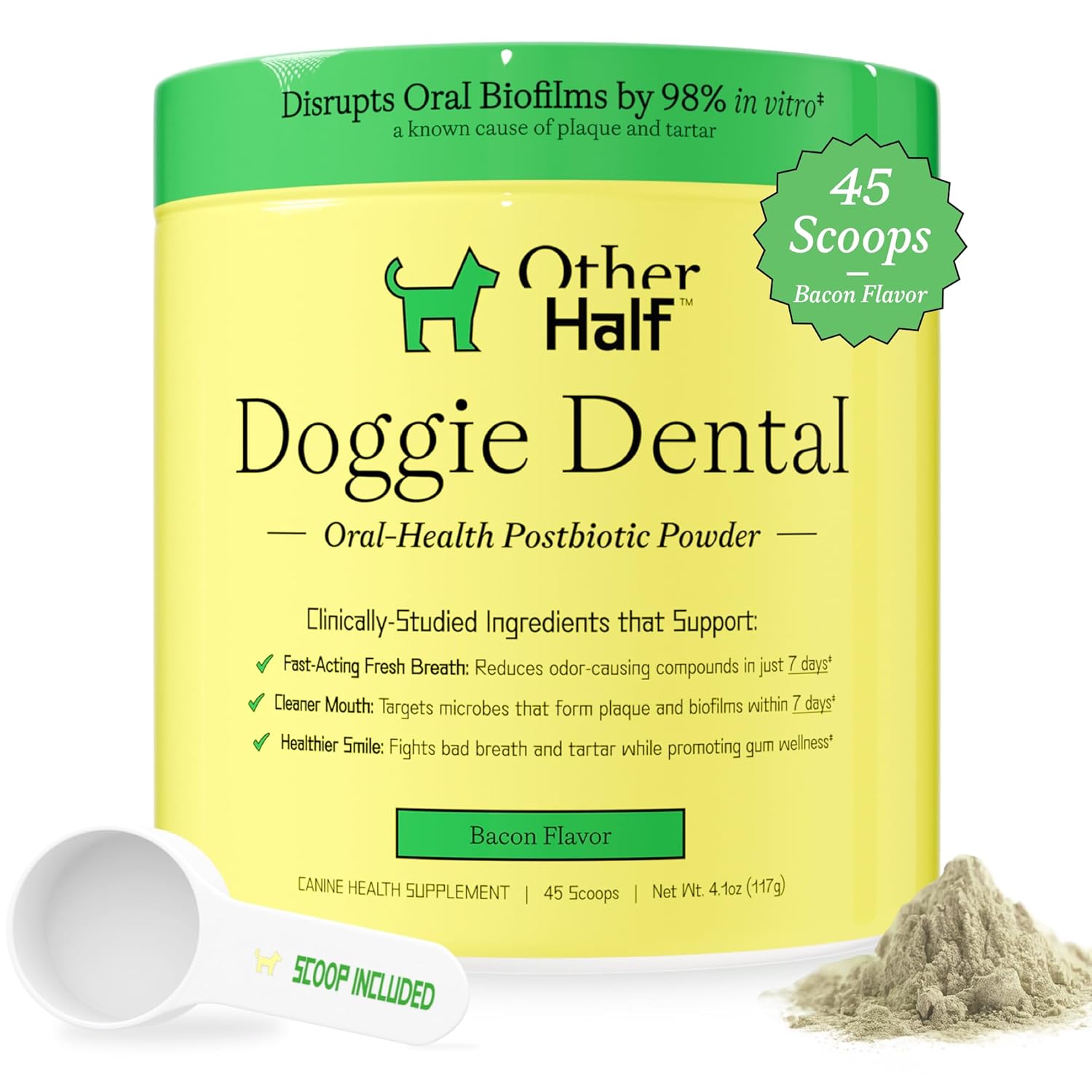
OTHER HALF Doggie Dental Supplement Powder – Dog Breath Freshener & Teeth Cleaning Made Easy – Oral Health Postbiotic for Dogs – Targets Tartar, Plaque & Bad Breath | 45 Scoops,…
$39.99