Showing 1–12 of 51 results
-
Sale!

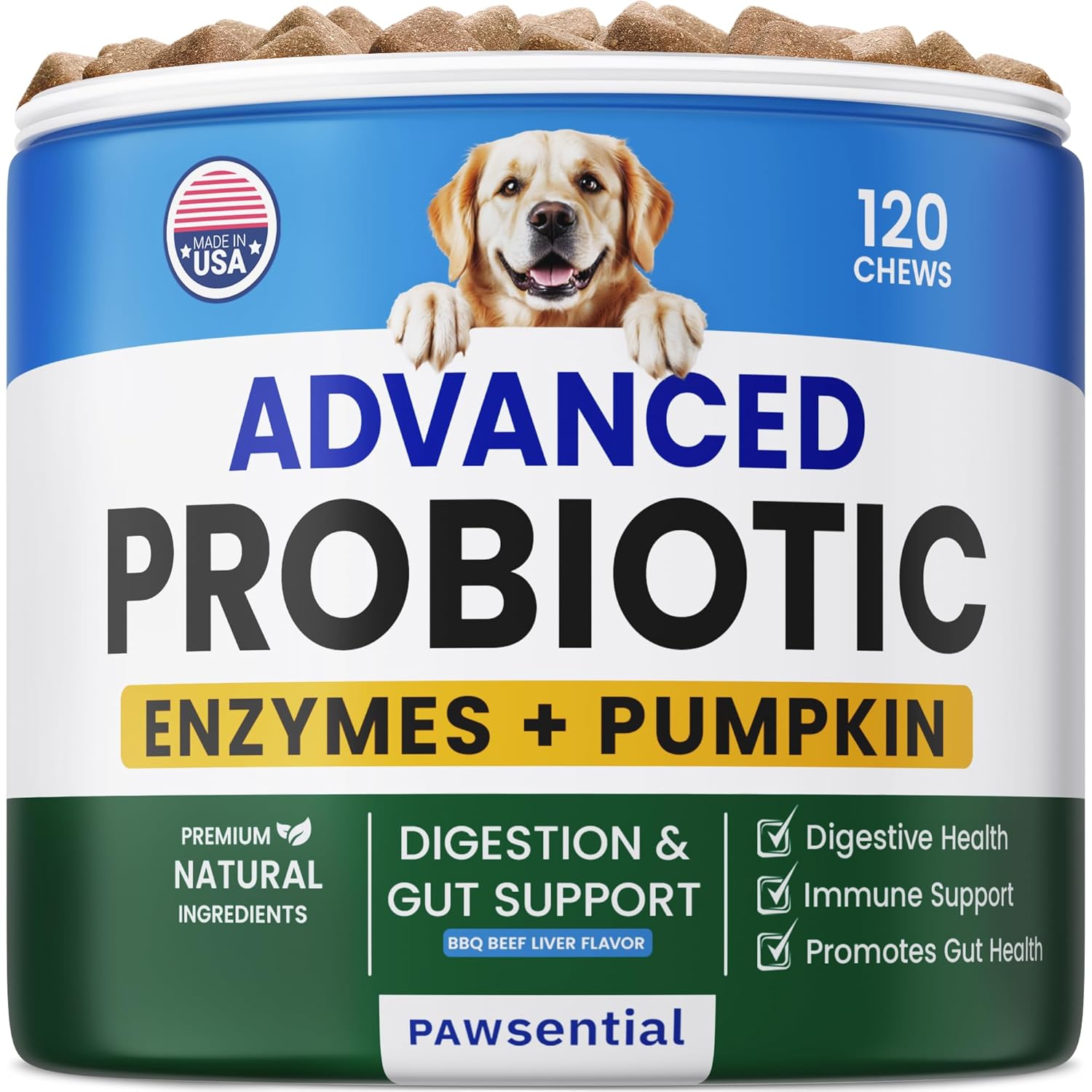
Advanced Dog Probiotics for Digestive Health & Enzymes – Diarrhea, Gas, Upset Stomach Relief & Season Allergy – Chews for Digestion – Prebiotics Fiber Supplement – Pet…
Original price was: $32.96.$19.86Current price is: $19.86. -
Sale!
Anti-Motion Sickness and Nausea Relief for Medium Breed Dogs, Relief for Disorientation and Dizziness, 20 Tablets
Original price was: $30.99.$23.98Current price is: $23.98. -
Sale!
BARK&SPARK All-Natural Grass Burn Spot Chews for Dogs – Pee Lawn Spot Saver – Grass Restore Treats – Dog Urine Neutralizer Solution for Grass Burn Spots – Made in USA – 120 Chews
Original price was: $30.00.$21.85Current price is: $21.85. -
Sale!
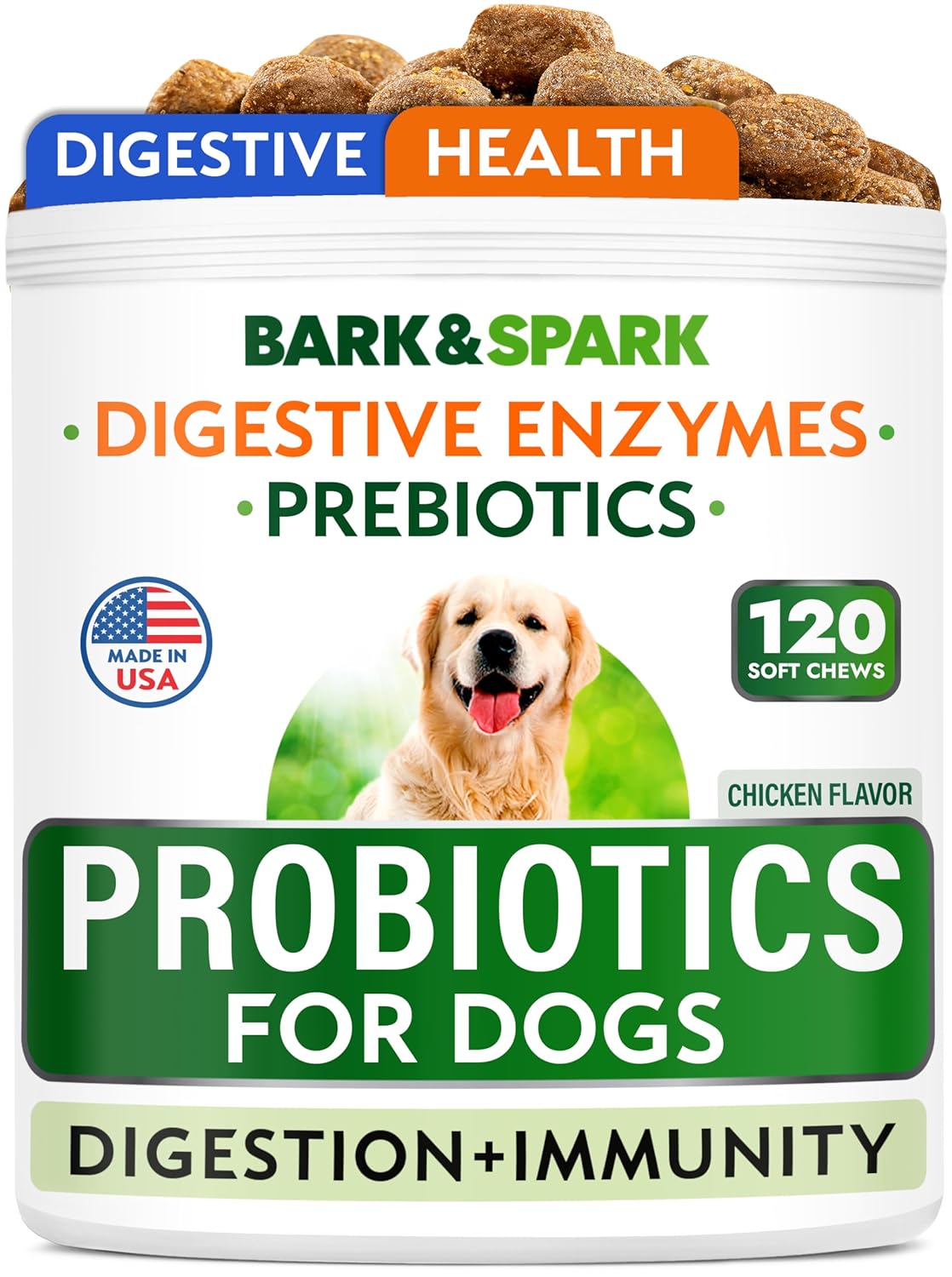
BARK&SPARK Dog Probiotics for Digestive Health w/Enzymes – Allergy & Itchy Skin – Diarrhea Gas Treatment Upset Stomach Relief – Pet Probiotics for Dogs – Digestion Supplement…
Original price was: $29.97.$20.96Current price is: $20.96. -
Sale!
Bladder and Kidney Relief for Dogs & Cats by Daybreak Nutrition | Powder Cranberry Supplement for Dogs and Cat for UTI Treatment & Urinary Support | Dog & Cat Urinary Tract…
Original price was: $22.99.$19.95Current price is: $19.95. -
Digestive Enzymes with Probiotics for Dogs – 120 Soft Chews – Supports Healthy Digestive Tract, Helps Nutrient Absorption, Food Digestion, and Health Maintenance
$27.98 -
Sale!
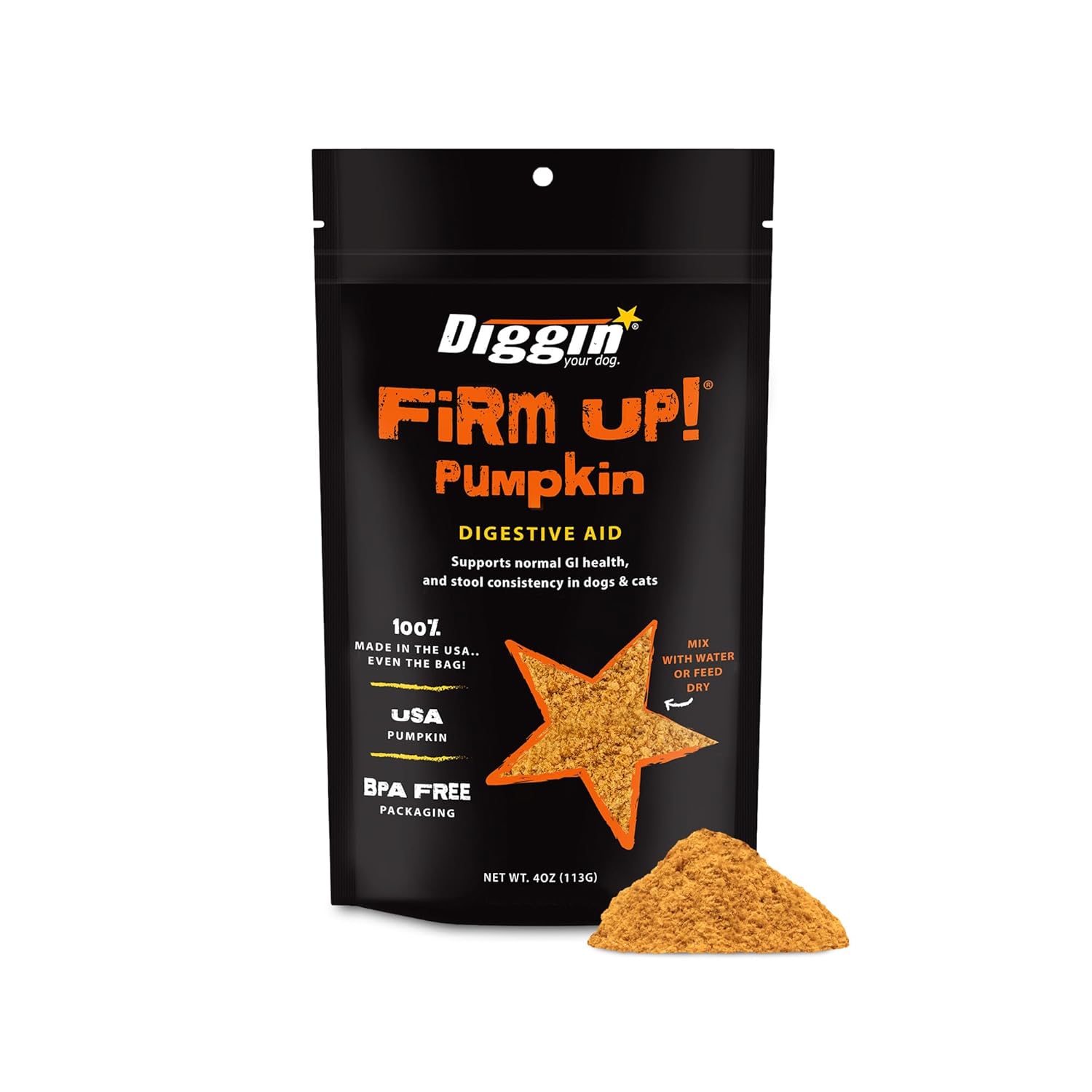
Diggin’ Your Dog – Firm Up Pumpkin for Dogs & Cats – Fiber Supplement with Pumpkin & Apple Fiber for Cat & Dog Digestive Support – Made in USA, 4 oz
Original price was: $17.87.$14.99Current price is: $14.99. -
Dog Bladder Control Pills – PET Healthy Urinary Tract Solution – Dogs and Cats – Bladder – Stop UTI – uva Ursi for Dogs – 1 Bottle (90 Tablets)
$26.99 -
Sale!
Dog Urine Neutralizer for Lawn – 180 Chews Grass Savers for Dog Urine, Green Grass Dogs Chews with DL-Methionine, Dogs Pee Grass Neutralizer for All Breeds + Ages, Duck & Pear…
Original price was: $25.99.$21.99Current price is: $21.99. -
Dog Urine Neutralizer for Lawn – Green Grass Chews to Help Prevent Lawn Burn – Dog Pee Neutralizer & Grass Saver – Urinary & Bladder Support for All Breeds + Ages
$19.99 -
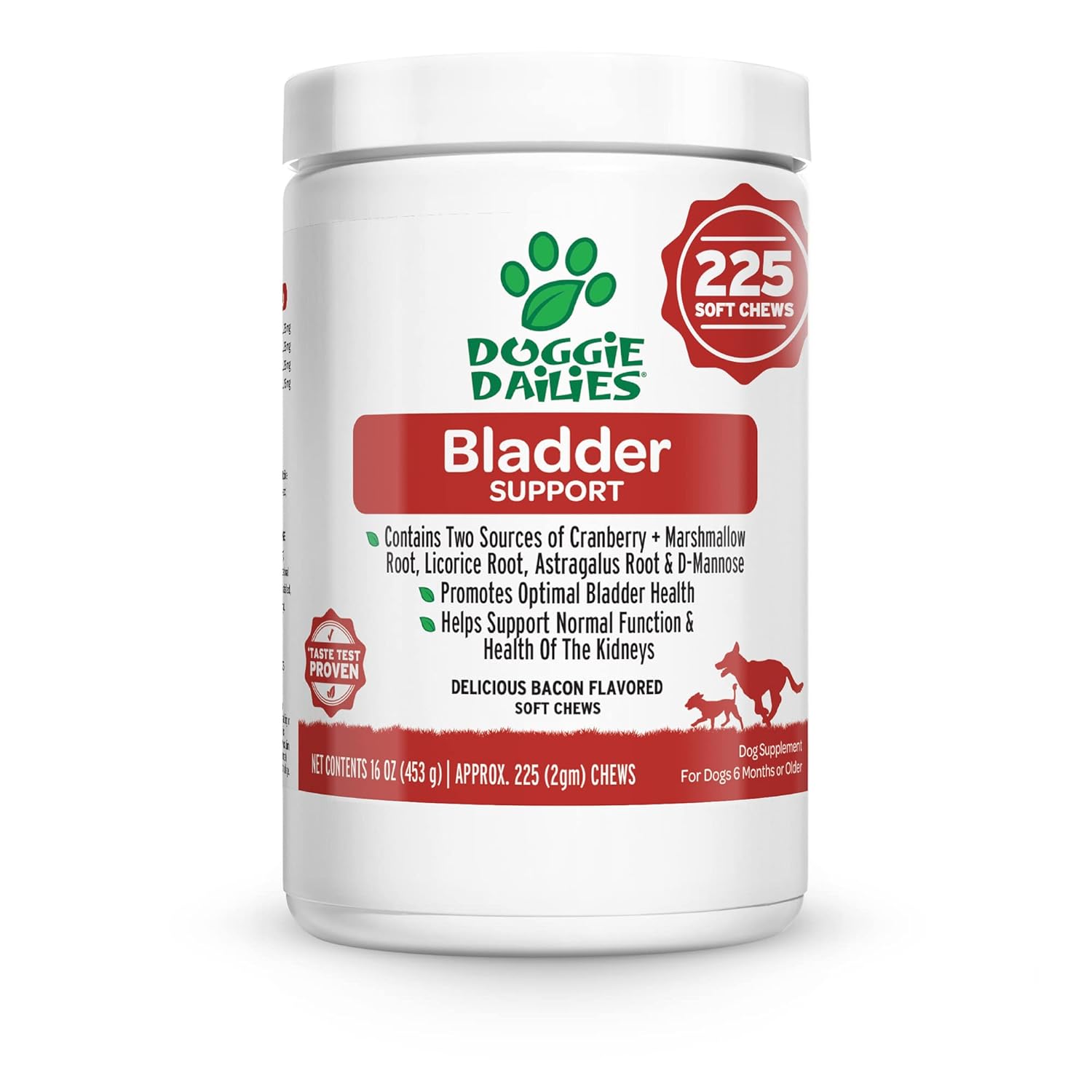
Doggie Dailies Cranberry Supplement for Dogs, 225 Soft Chews, Urinary Tract, Bladder & Kidney Support for Dogs, Cranberry for Dogs with Marshmallow Root, Licorice Root & Apple…
$34.99 -
Sale!
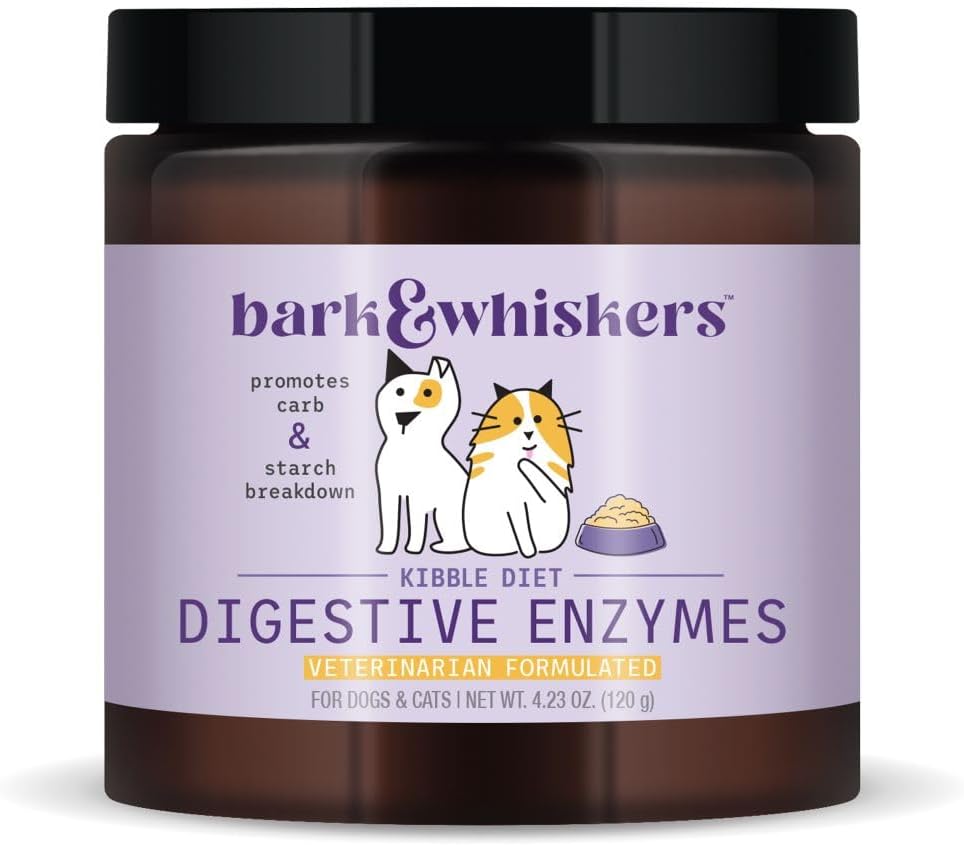
Dr. Mercola Digestive Enzymes for Pets – Dietary Supplement for Cats & Dogs – Contains 5 Enzymes – 5.26 oz
Original price was: $24.99.$19.97Current price is: $19.97.